Cosmetic Chemicals Market To Reach $8852.5 Million By 2030
Cosmetic Chemicals Market Growth & Trends
The global cosmetic chemicals market size is anticipated to reach USD 8852.5 million by 2030, according to a new report by Grand View Research, Inc. The market is projected to grow at a CAGR of 13.2% from 2025 to 2030. Rapid urbanization coupled with rising percentage of working class women has augmented the demand for cosmetic products thereby driving the consumption of cosmetic chemicals across the globe.
Key ingredients used in cosmetic formulations include surfactants, emollients, colorants preservatives, and emulsifiers. A diverse range of surfactants are used as foaming and emulsifying agents in several cosmetic and personal care products, each one imparting unique performance properties.
Preservatives constitute an important part of cosmetic products formulations as they help to increase the shelf life of the product by preventing the growth of micro organisms such as bacteria and fungi which can be hazardous to human skin on application. Parabens in the form of active ingredients are widely in cosmetic and body care products, which act as preservatives.
Antimicrobial properties of parabens are most effective against fungi and gram positive bacteria. Cosmetics typically contain mixtures of different types of parabens. Methyl, ethyl, propyl, isopropyl, butyl and isobutyl are some of the most commonly used parabens in cosmetic formulations.
Skincare is expected to grow at a faster rate as compared to other end use segments for cosmetic chemicals. Growing desire for health-promoting and self-care products, increasing interest in the power of regimens and routines is driving the skin care product consumption, which, in turn, is anticipated to drive the market over the forecast period.
Changing consumer preference towards natural products has propelled the cosmetics and personal care manufactures to focus on the inclusion of natural ingredients in the formulations. Key cosmetic formulations operating in the market such as L'Oréal,Unilever,andEstée Lauder invest heavily in R&D activities and are focused on product innovation. These players are now focused on developing products of natural origin due to augmented consumer demand. This is expected to drive the consumption of naturally derived chemicals for cosmetic product formulations over the forecast period.
 Request a free sample copy or view report summary: Cosmetic Chemicals Market Report
Cosmetic Chemicals Market Report Highlights
-
The hyaluronic acid segment led the market and accounted for the largest revenue share of 77.1% in 2024. Hyaluronic acid is also called hyaluronan. It is a gooey substance, naturally derived from the human body.
-
The tea tree oil segment is expected to grow fastest with a CAGR of 18.4% from 2025 to 2030 during the forecast period. The demand for tea tree oil is increasing rapidly as it is safe for use and affordable.
-
North America cosmetic chemicals market dominated the global landscape with a revenue share of 34.3% in 2024. The presence of various small and large-scale producers and suppliers of the ingredients characterizes the North American cosmetic chemicals market.
Cosmetic Chemicals Market Segmentation
Grand View Research has segmented the global cosmetic chemicals market report based on product and region:
Cosmetic Chemicals Product Outlook (Volume, Kilotons; Revenue, USD Million, 2018 - 2030)
-
Glycolic Acid
-
Retinol
-
Tea Tree Oil
-
Grapeseed Oil
-
Niacinamide
-
Vitamin C
-
Squalene
-
Hyaluronic Acid
Cosmetic Chemicals Region Outlook (Volume, Kilotons; Revenue, USD Million, 2018 - 2030)
-
North America
-
U.S.
-
Canada
-
Mexico
-
-
Europe
-
Germany
-
France
-
UK
-
Italy
-
Spain
-
-
Asia Pacific
-
China
-
India
-
Japan
-
South Korea
-
-
Latin America
-
Brazil
-
Argentina
-
-
Middle East & Africa
-
Saudi Arabia
-
South Africa
-
List Of Key Players in the Cosmetic Chemicals Market
-
AbbVie Inc.
-
Shandong Topscience Biotech Co. Ltd.
-
Contipro a.s.
-
Plamed Green Science Group
-
Titan Biotech Limited
-
Anmol Chemicals Group
-
Bloomage Biotechnology Corporation Limited
-
Shandong Focufreda Biotech Co. Ltd.
-
Fufeng Group
-
Stanford Chemicals
-
SHANDONG AWA BIOPHARM CO. LTD.
-
Kewpie Corporation

GET A FREE SAMPLE

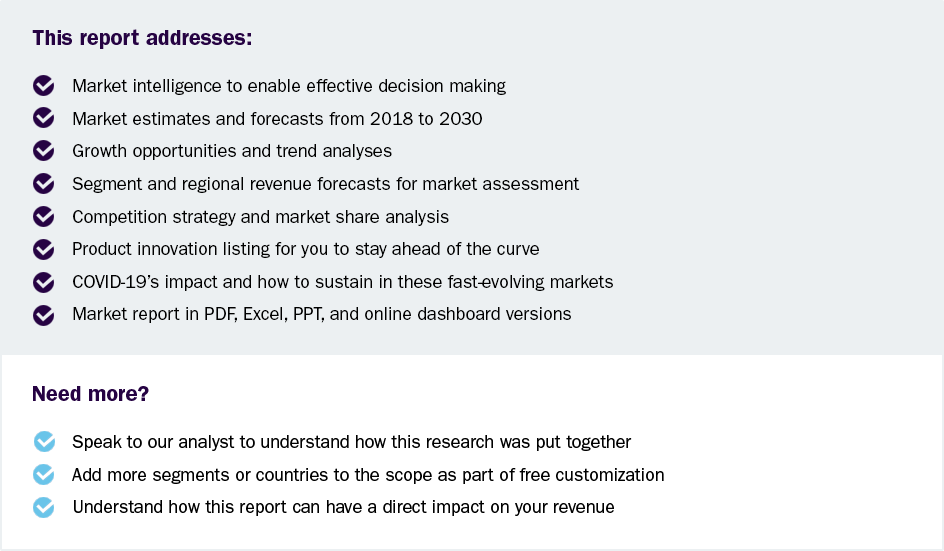
This FREE sample includes market data points, ranging from trend analyses to market estimates & forecasts. See for yourself.

NEED A CUSTOM REPORT?
We offer custom report options, including stand-alone sections and country-level data. Special pricing is available for start-ups and universities.
Request Customization