
- Home
- »
- Medical Devices
- »
-
U.S. Zirconia Crown Market Analysis: Volume Trends, ASP, CAD/CAM Adoption & Material Shift (2000-2025)GVR Report cover
![U.S. Zirconia Crown Market Trends: Crown Unit Volume, ASP, CAD/CAM Adoption, And Material Transition Toward Zirconia (2000-2025)Report]()
U.S. Zirconia Crown Market Trends: Crown Unit Volume, ASP, CAD/CAM Adoption, And Material Transition Toward Zirconia (2000-2025)
1.1 Growth Trends and Adoption Rate
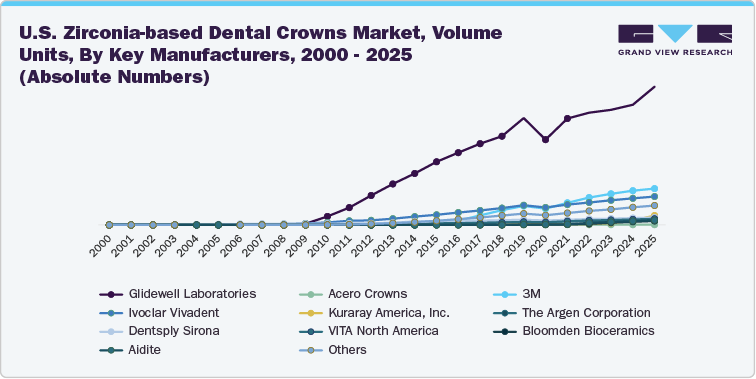
The U.S. zirconia crown market is experiencing significant growth, driven by clinical advantages and changing patient preferences. Zirconia crowns are preferred because they offer high strength, durability, and a natural tooth-like appearance, making them suitable for both restorative and cosmetic dental procedures. Adoption is also rising due to advancements in dental technology, greater availability of modern treatments, and an increasing preference for long-lasting, minimally invasive dental solutions.
Dental professionals are increasingly recommending zirconia-based crowns due to their biocompatibility and consistent clinical performance. Growth in this market is further supported by the following key trends:
-
Increasing demand for aesthetic dentistry
-
Increasing awareness of oral health
-
Utilization of CAD/CAM technology
1.1.1 Increasing Demand for Aesthetic Dentistry
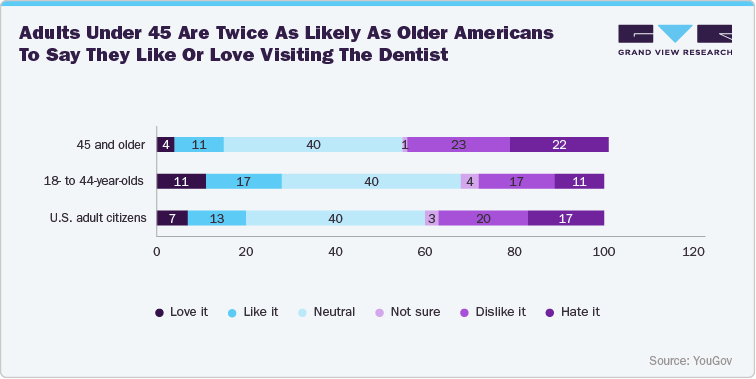
The growing focus on aesthetic dentistry is a key driver of zirconia-based dental crown growth in the U.S. Patients now place equal importance on the appearance of their teeth and overall oral health. This change is supported by increased awareness of dental aesthetics, wider exposure to digital and social media, and the influence of an attractive smile in personal and professional interactions. As a result, there is a clear preference for dental treatments that deliver natural-looking, visually appealing results. Patients are opting for zirconia-based crowns over traditional alternatives because they offer superior aesthetics and durability. This trend is driving significant expansion of the zirconia-based dental crowns market in the U.S., as dental practices continue to align their services with evolving patient expectations. For instance, a recent YouGov survey conducted in November 2023 found that a significant majority of Americans (82%) believe that the appearance of their teeth impacts their self-confidence, with 29% stating it has a strong influence. This highlights the importance of dental aesthetics in personal perception. In addition, women (37%) are more likely than men (21%) to report a strong impact, suggesting greater sensitivity to dental appearance among female consumers.
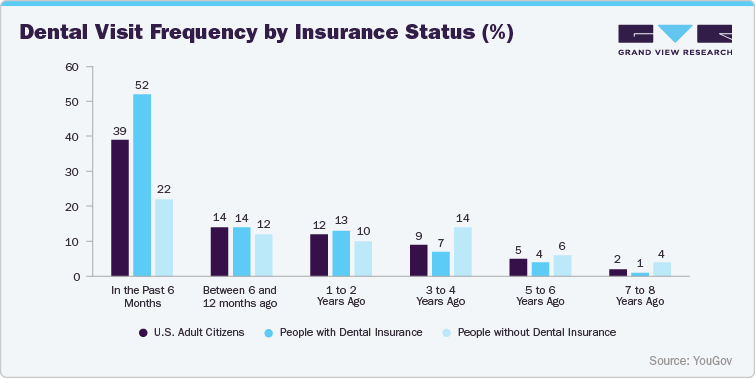
Higher dental visit rates in the U.S., particularly among insured individuals, are increasing early diagnosis and treatment of dental conditions, thereby boosting demand for advanced restorative solutions like zirconia crowns. In addition, broader insurance coverage and patient willingness to invest in cosmetic outcomes are accelerating the shift toward aesthetic dentistry, directly driving the adoption of zirconia-based crowns. A YouGov survey conducted in November 2023 examined Americans’ dental experiences and their perceptions of the attractiveness of their teeth. The results indicate that dental aesthetics significantly influence self-confidence. The survey also found that individuals from higher-income households are more likely to report having straight, white teeth, which may be attributed to greater access to cosmetic dental and orthodontic procedures.
Dental Visit Patterns and Insurance Coverage in the U.S.
Category
Percentage (%)
Visited the dentist in the last 6 months
39%
Visited the dentist in the last 6–12 months
14%
Total visited in the last year
52%
With dental insurance (visited)
66%
Without dental insurance (visited)
35%
U.S. adults without dental insurance
37%
Source: YouGov
In addition, the growing emphasis on minimally invasive, long-lasting dental solutions is encouraging both patients and dental professionals to opt for advanced materials, such as zirconia. These crowns offer aesthetic benefits while delivering high strength, durability, and biocompatibility, making them suitable for both anterior and posterior restorations. Cosmetic dental procedures, including smile makeovers, are becoming more common across a broader patient base, further supporting demand. In January 2026, studies published in the Journal of Prosthodontics show that zirconia crowns have a high success rate, with over 95% remaining functional after 10 years. This indicates strong reliability and durability over the long term. Also, with proper oral hygiene and regular dental check-ups, these crowns can last 20 years or more. Overall, zirconia crowns are a long-lasting, dependable dental restoration option.
Furthermore, according to Caring Dental, cosmetic dentistry in 2025 is rapidly advancing through the integration of cutting-edge technologies, innovative materials, and minimally invasive techniques, enabling individuals to achieve their ideal smiles more effectively. With growing awareness of the impact of an attractive smile on confidence, professional success, and social interactions, demand for aesthetic dental treatments is rising at an unprecedented pace.
Key Cosmetic Dentistry Trends Transforming Aesthetic Dental Care in 2025
Trend
Description
Key Benefits / Why Trending
Common Applications
Minimally Invasive Veneers
Ultra-thin, no-prep, or minimal-prep porcelain veneers requiring little enamel removal
Less invasive, preserves tooth structure, biocompatible, stain-resistant, and natural aesthetics
Correcting discoloration, chips, and minor misalignment
3D Smile Design & Digital Simulations
Use of 3D scanners, AI tools, and facial analysis to preview results before treatment
Personalized previews, accurate planning, better communication, and patient involvement
Smile planning and cosmetic treatment visualization
Laser Teeth Whitening
Laser-enhanced whitening procedure delivering fast results
Quick results, minimal sensitivity, uniform color, long-lasting brightness
Instant whitening for events, cosmetic enhancement
Composite Bonding
Advanced composite resins used to repair and enhance teeth
Affordable, quick (single visit), natural-looking, minimally invasive
Chips, cracks, gaps, reshaping, discoloration
AI-Powered Clear Aligners
Transparent aligners with AI tracking via mobile apps
Efficient treatment, remote monitoring, fewer visits, faster results
Teeth straightening for adults and teens
Laser Gum Contouring
Non-surgical correction of gummy smiles using lasers
Painless, quick recovery, immediate results, improved symmetry
Gummy smile correction, aesthetic enhancement
Full Smile Makeovers
Combination of multiple cosmetic procedures tailored to patients
Customized, natural aesthetics, fewer visits, comprehensive results
Whitening, veneers, orthodontics, gum contouring
Biomimetic Materials
Materials designed to mimic natural tooth properties
Natural look and feel, durable, metal-free, eco-friendly
Crowns, fillings, bonding
Facial Aesthetic Add-Ons
Integration of Botox and dermal fillers with dental treatments
Reduces wrinkles, enhances lips, improves facial balance, treats TMJ
Smile enhancement + facial aesthetics
Social Media-Driven Trends
Influence of platforms like TikTok and Instagram on smile aesthetics
Increased awareness, demand for “Hollywood smiles,” natural aesthetics, digital influence
Smile makeovers, whitening, aesthetic procedures
Source: Caring Dental
1.1.2 Increasing Awareness of Oral Health
Increasing awareness of oral health in the U.S. is playing a key role in driving demand for zirconia-based dental crowns. Public health campaigns, routine dental check-ups, and greater emphasis on preventive care have encouraged early diagnosis and treatment of dental issues, including tooth decay and damage. Patients are becoming more informed about durable and aesthetically superior restorative options, leading to a growing preference for zirconia crowns due to their strength, biocompatibility, and natural appearance. This heightened awareness, combined with rising expectations for cosmetic outcomes, continues to support market growth. For instance, in May 2024, data from the Centers for Disease Control and Prevention shows that U.S. adults with diabetes are 40% more likely to have untreated cavities, and about 60% did not visit a dentist in the past year despite having a medical visit. Adults aged 50 or older with diabetes experience poorer oral health, with 46% higher rates of lacking functional dentition and 56% higher rates of severe tooth loss, highlighting significant gaps in dental care utilization. This underscores the critical need to increase awareness of oral health and to promote timely dental visits to prevent disease progression and support demand for restorative treatment.
Furthermore, according to the Delta Dental Plans Association, nearly 9 in 10 U.S. adults believe that maintaining oral health is essential to overall health, reflecting a strong and growing awareness of the importance of dental care.
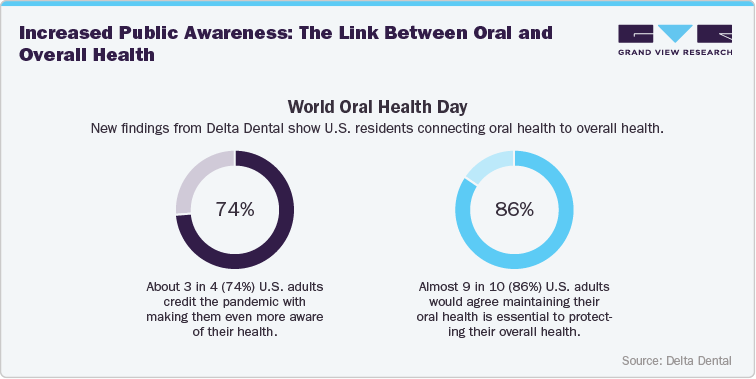
"The health of our bodies is not independent of the health of our mouths. We have a clearer understanding of the significant impact our oral health has on our overall health. As we elevate our awareness of the fundamental role of good oral health, we can better appreciate the value in making dental care a priority in our daily routines," said Joseph Dill, DDS, MBA, Vice President of Dental Science, Delta Dental Plans Association. "In our annual Oral Health and Wellness Survey, it's encouraging to find that most adults plan to prioritize their oral health this year."
Public health campaigns, educational initiatives by dental associations, and the widespread availability of online health information have all contributed to improving patient knowledge. As a result, there is a growing preference for long-lasting and biocompatible dental solutions. For instance, a survey by Delta Dental shows improving oral health awareness among Americans. About 91% of respondents consider preventive dental visits as important as annual physical check-ups, while 92% recognize the link between oral and overall health. In addition, 96% of parents value their children’s oral health, contributing to a 72% rate of twice-daily brushing among children. High dental insurance coverage (85%–88%) further supports better access to care and reduces the risk of dental emergencies. This increasing awareness, supportive insurance coverage, and strong preventive habits are collectively driving sustained demand for advanced, durable, and biocompatible dental solutions.
1.1.3 Utilization Of CAD/CAM Technology
The growing utilization of CAD/CAM (Computer-Aided Design and Computer-Aided Manufacturing) technology is a key trend driving the expansion of zirconia-based dental crowns in the U.S. This technology enables dental professionals to design and manufacture crowns with a high degree of precision, efficiency, and consistency. Unlike traditional methods, which often require multiple patient visits and manual laboratory work, CAD/CAM systems allow for digital impressions, automated design, and in some cases, same-day crown fabrication. This significantly reduces turnaround time and enhances patient convenience, which is valued in modern dental care.
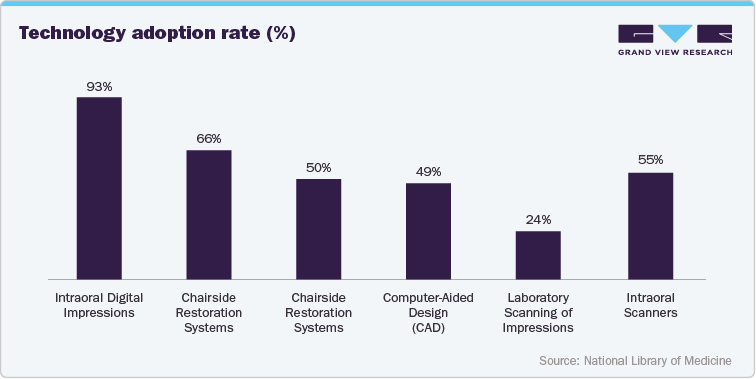
In April 2026, according to a research paper published on the National Library of Medicine, the adoption of CAD/CAM technologies among dentists is widespread. Around 93% of dentists use intraoral digital impressions, while 66% utilize chairside restoration systems. Furthermore, 50% rely on computer-aided design (CAD) and 49% on computer-aided manufacturing (CAM), with 24% using laboratory scanning of impressions. Overall, this results in approximately 55% of dentists using intraoral scanners and 39% adopting chairside restoration systems in their practice. This high level of adoption highlights the increasing reliance on digital dentistry, reinforcing CAD/CAM technology as a critical enabler of efficiency, precision, and continued growth in the U.S. zirconia crown market.
Traditional dental crown procedures have long been associated with extended treatment timelines and multiple clinical steps. Typically, patients were required to attend two or more appointments over a span of several weeks. The initial visit involved tooth preparation, physical impressions, and placement of a temporary crown, followed by a waiting period while the final restoration was fabricated in an external laboratory. In April 2026, according to healthcare business today, traditional dental crown procedures typically require two visits over a period of 2–3 weeks, involving temporary crowns and repeat anesthesia. With CAD/CAM chairside systems, the entire process from scanning to final placement is completed in a single visit of approximately 90–120 minutes. This reduces patient inconvenience, eliminates temporary restorations, and saves clinical time. As a result, practices offering same-day crowns gain a competitive advantage by improving efficiency and patient satisfaction.
Furthermore, CAD/CAM technology has transformed the way dental restorations are performed, particularly in the fabrication of zirconia crowns. This advanced digital workflow enhances precision, ensures consistent aesthetics, and improves durability. It also streamlines the design and production process, enabling more efficient and reliable creation of high-quality zirconia restorations. This advanced digital process helps in making zirconia crowns.
Fabricating Zirconium Dioxide Crowns Using CAD/CAM Technology
1. Tooth Preparation and Digital Impressions: Effective zirconia crown restorations require precise tooth preparation, with uniform reduction of about 1.0–1.5 mm to ensure strength, durability, and aesthetics. Digital intraoral scanners then create accurate 3D models, replacing traditional impressions while improving comfort and eliminating distortion. Real-time feedback during scanning enhances margin accuracy, streamlines workflows, and ensures a precise fit for zirconia-based crowns.
2. CAD Designing: Perfect Zirconia Crown: The next step involves designing the crown in CAD software, enabling precise customization of occlusal contacts, contact points, and margins to match the patient’s anatomy. This digital approach enables early detection of undercuts and bite issues, reducing chairside adjustments. It ensures highly accurate, well-fitting zirconia crowns with optimal function and natural aesthetics.
3. CAM Milling: Precision in Every Millimeter: After design, the CAD file is transferred to a CAM milling machine, where a pre-sintered zirconia block is precisely milled to create a well-fitting crown. Monolithic zirconia is preferred for its strength in posterior restorations, while multi-layered zirconia offers superior aesthetics for anterior teeth. This automated process ensures high accuracy, minimal material waste, and detailed results, surpassing those of manual fabrication.
4. Sintering: Strengthening the Crown Structure: After milling, the zirconia crown remains in a fragile pre-sintered (“green”) state and must undergo high-temperature sintering (around 1,450°C–1,600°C) to achieve full density and strength exceeding 900 MPa. This step is critical, as improper sintering can compromise durability and cause color inconsistencies. Adhering to manufacturer-recommended sintering protocols ensures optimal performance and natural aesthetics.
5. Finishing and Polishing: Bringing Esthetics to Life: After sintering, the zirconia crown undergoes final finishing, including margin refinement, occlusal adjustment, and surface texturing to ensure optimal fit and aesthetics. Proper finishing is especially important for achieving a natural appearance, whether for highly polished anterior crowns or stained posterior restorations. In addition, thorough polishing offers clinical benefits by reducing wear on opposing teeth and minimizing plaque accumulation, supporting long-term oral health.
6. Cementation: The Final Step Toward Clinical Success: Before final placement, a clinical try-in is performed to confirm proper fit, occlusion, and shade, with minimal adjustments required due to CAD/CAM precision. For cementation, resin-based cements with MDP primers are recommended, as zirconia does not respond to HF acid etching, thereby ensuring a strong, durable bond.
As a result, the integration of CAD/CAM technology is streamlining zirconia crown fabrication by enhancing precision, reducing treatment time, and improving overall clinical outcomes. This digital transformation is accelerating adoption in the U.S. market, driven by greater efficiency, patient convenience, and consistently high-quality restorations.
1.1.4 Increasing Preference for Zirconia Crowns Over Traditional Alternatives
The increasing preference for zirconia crowns over traditional alternatives is a key driver of the U.S. zirconia-based dental crowns market. Zirconia offers a strong combination of high durability, natural tooth-like aesthetics, and superior biocompatibility compared to metal-based and porcelain-fused-to-metal crowns. Dentists are recommending zirconia due to its resistance to chipping and long-term performance, particularly for posterior restorations. In addition, growing patient awareness and demand for metal-free, aesthetically pleasing solutions continue to accelerate its adoption across dental practices.
Comparison of Zirconia Crowns with other crowns
Crown Type
Material
Strength
Aesthetics
Durability
Preparation
Suitability
Zirconia Crown
Zirconia
Very High
High
Very High
Minimal
General
PFM Crown
Metal + Porcelain
High
High
Moderate
Moderate
General
Emax Crown
Lithium Disilicate
High
Very High
Moderate
Moderate
Aesthetically demanding
Metal Crown
Metal Alloy
High
Low (visible)
Very High
Moderate
Molars
Porcelain Crown
Porcelain
Moderate
Moderate
Moderate
Moderate
General
Veneers
Composite Resin
Low
High
Low
Minimal
Anterior Teeth
Ceramic Crowns
Ceramic
Moderate
High
Moderate
Moderate
General
Source: Illusion Dental Lab
Key Advantages of Zirconia Crown
1. Aesthetics: A major advantage of zirconia crowns is their highly natural appearance, which closely resembles that of real teeth. Their ability to transmit light in a way similar to natural enamel allows them to achieve excellent translucency and lifelike aesthetics. They can be precisely color-matched to surrounding teeth, ensuring a seamless blend within the smile. This makes them particularly well-suited for visible areas, especially the front teeth, where aesthetics are a priority.
2. Strength and Durability: Zirconia crowns are also valued for their precise fit, exceptional strength, and high resistance to chipping, cracking, and wear. Monolithic zirconia variants are particularly robust, often outperforming porcelain-fused-to-metal (PFM) crowns in terms of fracture resistance. This durability makes them suitable for both anterior and posterior teeth, especially in areas exposed to high chewing forces. Their advanced ceramic structure enhances toughness, making them an ideal option for patients who grind or clench their teeth. In addition, they are fabricated using CAD/CAM (computer-aided design and manufacturing) technology, ensuring superior accuracy and minimizing manual errors.
3. Biocompatibility: Zirconia is highly biocompatible, making it safe for use in the human body without adverse effects. It is an excellent option for patients with metal allergies or sensitivities, as it does not irritate oral tissues or trigger allergic reactions. Unlike metal-based restorations, zirconia crowns are completely metal-free and do not cause gum discoloration over time. This enhances both patient comfort and long-term aesthetic outcomes.
4. Stain Resistance: Zirconia crowns are highly resistant to staining due to their dense, non-porous structure and smooth, polished surface. Unlike other materials, they do not have microscopic pores that can absorb pigments from food or beverages. In addition, zirconia is chemically stable and does not react with acids or substances in the mouth, helping it maintains its original color over time. This ensures long-lasting aesthetics with minimal discoloration.
As a result, the growing shift toward zirconia crowns highlights increasing demand for durable, aesthetic, and metal-free dental solutions in the U.S. market. Continued advancements in materials and digital manufacturing are expected to further accelerate their adoption over traditional alternatives.
1.2 Technological & Workflow Factors
Technological factors play a critical role in shaping the growth of the U.S. zirconia-based dental crowns market, primarily through the adoption of digital dentistry solutions such as CAD/CAM (computer-aided design and computer-aided manufacturing) systems. These technologies have significantly improved the way dental crowns are designed, manufactured, and delivered to patients. Leading companies such as Dentsply Sirona offer advanced CAD/CAM platforms, including systems like CEREC, which enable dentists to perform scanning, designing, milling, and placement of zirconia crowns within a single visit. This shift from traditional manual methods to digital workflows has enhanced efficiency, precision, and patient convenience. CAD/CAM systems allow for highly accurate digital impressions using intraoral scanners, eliminating the need for conventional molds.
In addition, the U.S. zirconia-based dental crowns market is being driven by the growing adoption of advanced AI-enabled digital dentistry platforms and chairside CAD/CAM systems, which streamline the design and manufacturing of dental restorations while significantly improving speed, precision, and clinical efficiency. For instance, in September 2025, Dentsply Sirona is introducing an expanded AI-powered CEREC workflow along with new milling units, CEREC Primemill Lite and CEREC Go, to make single visit dentistry more accessible and efficient. The upgraded system integrates with DS Core, enabling cloud-based design, AI-assisted workflows, and remote management from any device. New milling modes allow faster production of restorations, including crowns in minutes, improving clinical speed and convenience. Also, CEREC Cercon 4D zirconia blocks enhance strength and aesthetics, supporting high-quality dental restorations. These advancements are expected to strengthen the adoption of zirconia-based dental crowns by improving workflow efficiency, enhancing restoration quality, and supporting the growing shift toward same-day digital dentistry in the U.S.
The adoption of CAD/CAM dentistry has simplified the crown fabrication workflow by replacing traditional manual steps with a structured digital sequence, beginning with intraoral scanning and ending with final crown delivery. For instance, in January 2026, ThreeDSmile published an article titled “CAD/CAM Dentistry Workflow: From Scan to Final Crown Simplified,” highlighting how digital workflows are transforming crown fabrication. The article explains that CAD/CAM technology replaces traditional impression and laboratory processes with a fully digital sequence, starting from intraoral scanning and progressing through design, manufacturing, and final delivery. It emphasizes that digital impression capture creates highly accurate three-dimensional models, which serve as the foundation for precise crown design.
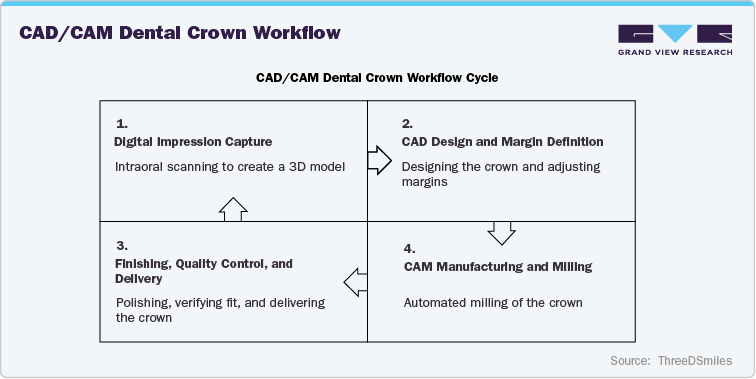
In the first stage, digital impression capture uses advanced scanners to create accurate three-dimensional models of the patient’s teeth and surrounding structures. This eliminates the limitations of conventional impression materials and allows clinicians to immediately verify scan quality, reducing the likelihood of downstream errors.
The second stage involves computer-aided design (CAD), where the digital scan is used to define crown margins, occlusion, and anatomical contours. Because the design is based on precise digital data, the need for manual adjustments is minimized, improving consistency and reducing variability across cases. This level of accuracy is difficult to achieve with traditional workflows, where minor distortions in impressions can lead to fitting issues.
In the third stage, computer-aided manufacturing (CAM) enables the milling of zirconia crowns from solid blocks using automated systems. This ensures that the final restoration closely matches the digital design. For zirconia materials, the process also includes sintering, which enhances strength and durability while maintaining fit accuracy.
Finally, finishing and quality control are streamlined through digital comparison tools, allowing technicians to validate the crown against the original design data. As each stage is interconnected through a single digital dataset, errors are easier to detect and correct. Overall, these technological advancements improve clinical efficiency, reduce treatment time, and enhance patient outcomes, thereby accelerating the adoption of zirconia-based crowns in the U.S. market.
1.3 Material Costs and Supply Chain Dynamics
1.3.1 Material Costs Dynamics
Zirconia-based dental crowns represent a premium segment within restorative dentistry, and their material cost dynamics are influenced by multiple interconnected factors that determine the final treatment price for patients. Zirconia is derived from zirconium dioxide, a high-performance ceramic material valued for its exceptional strength, biocompatibility, and natural tooth-like appearance.
1.3.1.1 Comparative Analysis of BruxZir Zirconia Restorative Materials and Pricing Structure
Table 1 Comparative analysis of BruxZir zirconia restorative materials and pricing structure
Parameter
BruxZir Full-Strength
BruxZir Esthetic
BruxZir Radiant
Restoration Type
Monolithic
Monolithic
Monolithic
Material
3Y tetragonal zirconia
4.6Y cubic zirconia
5.8Y cubic zirconia
Strength
>1,000 MPa
870 MPa
778 MPa
Key Uses
Crowns & bridges of any length, including full-arch implant-supported prostheses; placed anywhere in the mouth
Crowns, veneers, and bridges of any length, including full-arch implant-supported prostheses; placed anywhere in the mouth
Crowns and bridges up to 3 units (similar to IPS e.max Press); implant restorations not available
Preparation Guidelines
1.00 mm ideal (0.5 mm minimum)
1.25 mm ideal (0.7 mm minimum)
1.25 mm ideal (0.7 mm minimum)
MSRP
USD 89 per unit (from scan); USD 109 per unit (from physical impression)
USD 99 per unit (from scan); USD 119 per unit (from physical impression)
USD129 per unit (from scan); USD 149 per unit (from physical impression)
Source: Glidewell
This table highlights the cost dynamics of different BruxZir zirconia restorations. The material cost dynamics vary across the three zirconia options, reflecting differences in strength and composition. BruxZir Full-Strength uses 3Y tetragonal zirconia at USD 89–USD 109 per unit, making it the most cost-efficient option. BruxZir Esthetic, based on 4.6Y cubic zirconia, is priced at USD 99–USD 119 per unit, indicating a moderate cost increase for improved aesthetics. BruxZir Radiant, made from 5.8Y cubic zirconia, has the highest material cost at USD 129–USD 149 per unit, driven by its advanced translucency and refined composition.
1.3.1.2 Factors Affecting Zirconia Crown Price
The cost of sourcing and processing high-grade zirconia is a primary factor that influencing pricing, as premium-quality zirconia with enhanced translucency and durability requires advanced manufacturing standards and stricter quality control. This directly increases the base material expense compared to conventional porcelain or metal alternatives. In addition, laboratory processing costs contribute significantly, since zirconia crowns are designed using digital impressions and CAD/CAM technology, followed by precise milling and sintering procedures that demand specialized equipment and skilled technicians.
Procedure complexity also affects overall cost dynamics. Cases requiring multiple crowns, customized shading for aesthetic matching, or additional restorative preparation increase both clinical time and technical effort, thereby raising total treatment costs. The expertise of the dental professional further influences pricing, as experienced practitioners ensure accurate fit, long-term performance, and improved aesthetic outcomes.
Geographic location is another important factor, with urban clinics and high-cost regions generally reflecting higher pricing structures due to operational expenses and market demand variations. In the U.S., the price range for a zirconia crown is approximately USD 1,000 to USD 2,500 per tooth, which includes material, laboratory fabrication, and professional fees.
Insurance coverage partially reduces out-of-pocket expenses when the procedure is medically necessary, while cosmetic cases have limited reimbursement. Patients can manage costs through flexible payment plans, health savings accounts, or preventive dental care that minimizes future restorative needs. Although zirconia crowns are more expensive than standard alternatives, their long service life, resistance to fracture, and superior aesthetics create strong value justification, making them a cost-efficient long-term investment in oral health and functional durability.
1.3.2 Supply Chain Dynamics
The supply chain of zirconia-based dental crowns is a multi-stage, technology-driven process that transforms raw zirconium into customized dental restorations. It integrates material science, advanced manufacturing, digital dentistry, and clinical expertise. The process begins with the extraction and refinement of zirconia, followed by the production of standardized zirconia blocks. These materials are then used within a digital workflow involving scanning, design, and milling to create patient-specific crowns. Dental laboratories or chairside systems complete the manufacturing through sintering and finishing processes. Finally, distribution networks ensure timely delivery to dental clinics, where crowns are fitted and maintained. Key U.S. companies such as Dentsply Sirona, Glidewell and Ivoclar Vivadent play critical roles across different stages, ensuring efficiency, quality, and innovation throughout the supply chain.
Raw Material Extraction and Processing
The supply chain begins with the extraction and refinement of zirconium minerals into high-purity zirconia powder. Companies such as Tosoh Corporation and Saint-Gobain are key global suppliers of dental-grade zirconia powder. These firms specialize in producing yttria-stabilized zirconia, which is essential for achieving the strength and fracture resistance required in monolithic crowns. For instance, Saint-Gobain ZirPro supplies high-performance 3 mol% yttria-stabilized zirconia powders designed for multiple manufacturing processes. Its portfolio includes dry powders such as CY3Z, which are suitable for injection molding and casting applications, as well as ready-to-press granules like GY3Z, which are optimized for uniaxial and isostatic pressing. In addition, the powder undergoes strict quality control to ensure uniform particle size, chemical purity, and consistency. This stage is critical because the material properties directly influence the final crown’s durability and translucency.
Zirconia Block Manufacturing
In this stage, zirconia powder is processed into pre-sintered blocks or discs specifically designed for monolithic crown applications. Companies such as Ivoclar (IPS e.max ZirCAD Prime block) and 3M are major players in producing these CAD/CAM-compatible zirconia blocks. The blocks are partially sintered to allow easy milling and are standardized in sizes compatible with digital milling machines. In the U.S., 3M plays a strong role by supplying Lava zirconia solutions. This stage adds value through material innovation, ensuring that the blocks meet clinical requirements for both posterior strength and anterior aesthetics.
For instance, the 3M (Solventum) Lava Esthetic Fluorescent Full-Contour Zirconia Disc is an advanced dental material designed for highly aesthetic crown and bridge restorations, featuring inherent tooth-like fluorescence and high translucency. It offers excellent shade matching to VITA Classic standards through built-in gradient shading technology, eliminating the need for additional coloring steps. The material ensures strong, durable full-contour restorations while enabling a streamlined mill-sinter-glaze workflow. Its combination of natural appearance and mechanical strength makes it suitable for both anterior and posterior applications.
Table 2 Product specification comparison: lava esthetic vs. lava plus zirconia discs (3M)
Parameter
Details
Product
3M Lava Esthetic Fluorescent Full-Contour Zirconia Disc
Lava Plus High Translucency Zirconia Discs
Block Size
S
S
Brand
Lava
Lava
CAD-CAM System
Lava
Lava
Catalog Numbers
69320, 69321, 69323, 69328, 69329, 69331, 69332, 69334, 69336, 69337, 69338, 69933
69271, 69272, 69273
Digital Materials
Lava Laboratory Materials
Lava Laboratory Materials
Material
Zirconia
Zirconia
Restoration Types
Bridge, Crown, Inlay, Onlay, Veneer
Bridge, Crown, Inlay, Onlay, Veneer
Shades Available
A1, B1, C1, A2, D2, A3, A3.5
Multiple Shades
Overall Diameter
98 mm
98 mm
Overall Height
14 mm, 18 mm, 22 mm
14 mm, 18 mm, 25 mm
Source: 3M
Digital Scanning and CAD Design
The process then moves to the dental clinic or lab, where digital impressions are captured using intraoral scanners. Companies such as Dentsply Sirona provide advanced scanning and CAD software systems. The scanned data is used to design zirconia crowns with precise anatomical contours and occlusion. The CAD software enables technicians or dentists to customize the crown based on patient-specific requirements, ensuring accuracy and fit. In the U.S., Dentsply Sirona’s CEREC system is widely adopted for chairside workflows. This stage significantly reduces human error compared to traditional impressions and enhances turnaround time. The digital design also integrates with milling systems, making the process efficient and standardized.
For instance, Primescan Connect (Dentsply Sirona) is a high-performance intraoral scanner designed to deliver fast, accurate digital impressions without traditional materials. It enables full-arch scans in under a minute while simplifying workflows, making it easy for dental teams to use. The system improves diagnostic precision and treatment planning, enhancing both efficiency and patient experience. Its compact, flexible setup allows seamless integration into modern dental practices at a more accessible cost.
Dentists using advanced intraoral scanners such as Primescan Connect often report a noticeable improvement in the quality and consistency of digital impressions. The high level of accuracy helps reduce remakes and enhances the fit of restorations, leading to more predictable clinical outcomes. Its speed and ease of use also improve workflow efficiency, allowing clinicians to focus more on patient care.
“For me, it is essential to know that I can rely on the equipment I invest in for a long period of time. But in a practice often the unforeseen can happen. This is why it is very reassuring to me that DS Core Care covers accidental damage and express replacement for my Primescan Connect so that I can focus on treating my patient.” said Meena Barsoum, DSM, USA
CAM Milling, Sintering, and Final Finishing
In this combined stage, the digitally designed crown is manufactured and finalized. The CAD file is sent to milling machines from companies such Dentsply Sirona, where the crown is carved from a pre-sintered zirconia block. In the U.S., dental laboratories such as Glidewell operate advanced milling centers that handle high-volume production. After milling, the crown undergoes high-temperature sintering using furnaces, which gives it full strength and final dimensions. The crown is then polished, stained, and glazed to achieve natural tooth aesthetics. This integrated stage is critical for ensuring structural integrity, precision fit, and visual appeal.
For instance, the fastmill.io In-Office Mill (Glidewell) enables dental practices to deliver same-visit restorations with high precision and efficiency. Using advanced milling technology proven in laboratory settings, it produces crowns with accurate fit and well-defined margins. Its high-torque electric spindle eliminates the need for an external air compressor, enhancing convenience.
Distribution, Logistics, and Clinical Placement
In this final combined stage, the finished zirconia crown moves from production to patient delivery. Dental laboratories such as Glidewell and National Dentex Labs dispatch completed crowns to clinics through established distribution networks. U.S.-based distributors like Henry Schein, Inc manage logistics, warehousing, and timely delivery, ensuring clinics receive crowns within required turnaround times. Efficient coordination in this stage is essential to maintain patient schedules and clinical workflow continuity.
Once delivered, the dentist evaluates the crown for fit, occlusion, and aesthetics before final placement. The crown is then cemented onto the prepared tooth using appropriate bonding techniques. In clinics equipped with chairside systems from Dentsply Sirona, this entire process can occur within a single visit, eliminating the need for external logistics. This stage completes the supply chain by delivering a durable, aesthetically pleasing restoration directly to the patient.
1.4 Patient Demand & Demographics
Patient demand and demographics play a significant role in shaping the growth of zirconia-based dental crowns in the market. The demand is driven by an increasing preference among patients across age groups for durable, aesthetic, and biocompatible dental restoration solutions. Zirconia crowns are widely chosen due to their tooth-like appearance, high strength, and long-lasting performance, which align with modern patient expectations for both function and aesthetics.
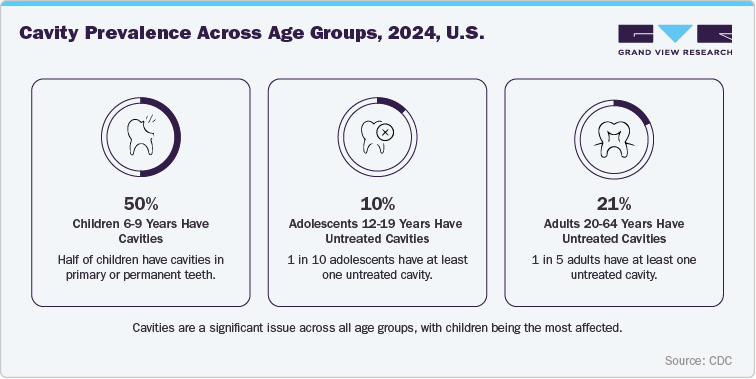
Cavities continue to represent a major public health concern in the U.S. due to their high prevalence and recurring nature across different population groups. Despite improvements in oral hygiene awareness and access to dental care, dental caries remains one of the most widespread chronic conditions, often requiring both preventive and restorative interventions. The condition is influenced by dietary habits, sugar consumption, inconsistent oral hygiene practices, and varying levels of access to professional dental services. In addition, increasing consumption of processed foods and sugary beverages has contributed to a sustained risk of tooth decay, particularly among children and young adults. Socioeconomic disparities also play an important role, as individuals from lower-income backgrounds are more likely to experience untreated dental conditions due to limited access to regular dental check-ups and treatment facilities. For instance, in May 2024, according to the CDC, U.S. statistics show that dental cavities are highly common across all age groups. Half of children aged 6–9 years are affected, indicating early onset of tooth decay. While 10% of adolescents and 21% of adults have untreated cavities, this highlights that unmet dental care needs persist beyond childhood. This persistent and widespread burden of dental caries across all age groups highlights a continued and growing need for effective, durable, and accessible restorative dental solutions to manage tooth decay and prevent further oral health complications.
Demographics refer to the characteristics of patient populations that influence the demand for zirconia-based dental crowns, including age, income level, geographic location, lifestyle, and oral health conditions. The elderly population shows high demand for zirconia crowns due to tooth decay and the need for long-term restorative solutions such as crowns and bridges. Adults in the middle-aged group also represent a significant segment, as they often require restorative treatment combined with aesthetic improvements. Younger adults are contributing to demand due to growing interest in cosmetic dentistry and smile enhancement procedures.
Table 3 CDC oral health surveillance report, 2024.
CDC 2024 Oral Health Surveillance Report
Age Group
Untreated Decay (%)
High Poverty (%)
Low Poverty (%)
Mean Decayed Teeth (DT)
Mean Filled Teeth (FT)
Overall Impact
Children (2–5 yrs)
11
18
6.6
1.8
2.6
Primary teeth decay begins early with strong poverty link
Children (6–8 yrs)
18
24.6
11.6
0.9
3.2
Increasing decay burden compared to younger children
Adolescents (12–19 yrs)
10
13.2
8.2
0.4
3.7
Lower decay severity but persistent inequality by income
Adults (20–64 yrs)
21
39.6
-
0.7
6
High untreated decay with growing tooth loss burden - 2 Mean Missing Teeth (MT)
Older Adults (65+ yrs)
13
28.7
-
0.2
9.3
Cumulative dental damage and highest tooth loss - 6 Mean Missing Teeth (MT)
Source: CDC
The above table highlights a consistent, age-progressive burden of dental disease across the U.S. population, which directly supports demand for restorative dental solutions, such as zirconia-based crowns. Early onset of decay in children, particularly in high-poverty groups, indicates a growing patient base that requires long-term restorative care as they age. The increase in untreated decay among adolescents and adults, combined with a significant rise in filled and missing teeth, reflects a transition from preventive to restorative and replacement treatments. In adults aged 20–64 years and older populations, higher mean values of filled and missing teeth indicate cumulative dental damage and tooth loss, which are key drivers for crown placements. Zirconia crowns, known for durability and aesthetics, are preferred for such cases. The data demonstrate that demographic factors, such as age and income level, play a significant role in shaping sustained, long-term demand in the U.S. zirconia crown market.
Income levels directly impact dental expenditures. Higher-income groups tend to allocate more spending toward premium dental materials such as zirconia due to their durability, natural appearance, and long-term value. In contrast, lower-income groups may opt for more cost-effective alternatives, although improving economic conditions are gradually expanding access to advanced treatments. Insurance coverage and reimbursement policies also influence spending patterns, particularly in developed markets where partial coverage reduces out-of-pocket costs.
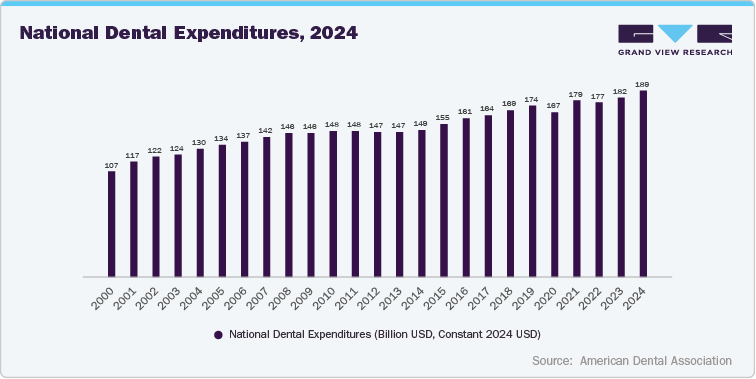
The above graph highlights that national dental expenditures in the U.S. have shown a significant long-term upward trend, reflecting increasing demand for dental care services and improved access across different population groups. This growth is closely linked to demographic factors such as population expansion, aging population, rising oral health awareness, and higher income levels, all of which contribute to greater utilization of advanced dental treatments, including zirconia-based dental crowns.
A comparison of recent years shows that dental spending reached USD 179 billion in 2021, followed by a slight decline to USD 177 billion in 2022, likely due to post-pandemic normalization and deferred treatments. The expenditure then increased to USD 182 billion in 2023 and further to USD 189 billion in 2024, indicating recovery and renewed growth in dental service utilization. This upward movement from 2022 to 2024 reflects improving patient confidence, higher treatment volumes, and increased adoption of premium dental materials. From a demographic perspective, it suggests that a larger and more financially capable population is seeking dental care, including advanced restorative options such as zirconia crowns.
-


Customize this report to your needs - add regions, segments, or data points, with 20% free customization.
Or view our licence options:


ISO 9001:2015 & 27001:2022 Certified
We are GDPR and CCPA compliant! Your transaction & personal information is safe and secure. For more details, please read our privacy policy.


