- Home
- »
- Homecare & Decor
- »
-
Scented Candles Market Size & Share, Industry Report, 2033GVR Report cover
![Scented Candles Market Size, Share & Trends Report]()
Scented Candles Market (2025 - 2033) Size, Share & Trends Analysis Report By Product (Container-based, Pillars), By Wax Type, By Category (Mass, Premium), By Distribution Channel, By Region, And Segment Forecasts
- Report ID: GVR-3-68038-864-0
- Number of Report Pages: 110
- Format: PDF
- Historical Range: 2021 - 2024
- Forecast Period: 2025 - 2033
- Industry: Consumer Goods
- Report Summary
- Table of Contents
- Interactive Charts
- Methodology
- Download FREE Sample
-
 Download Sample Report
Scented Candles Market Summary
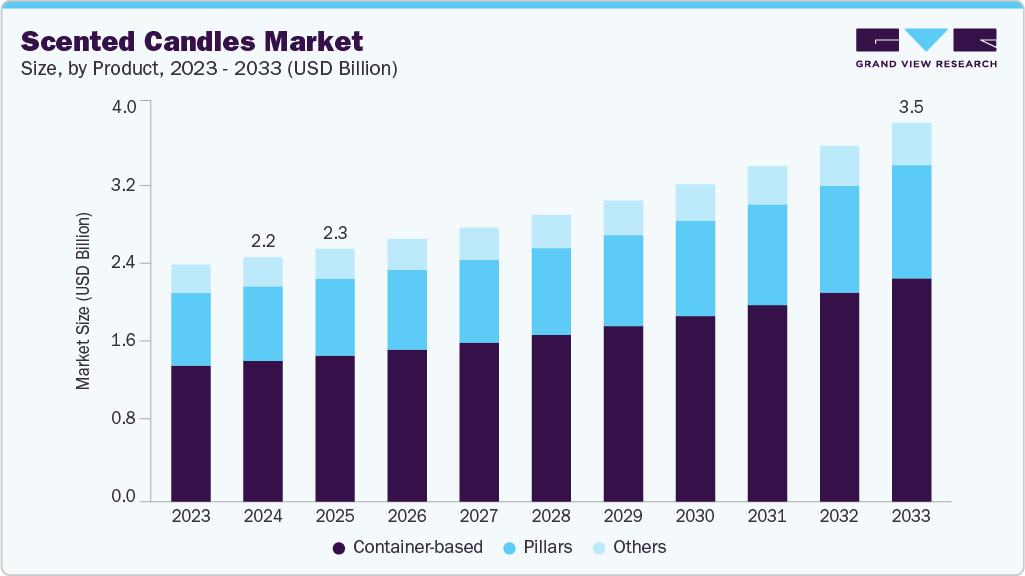
The global scented candles market size was estimated at USD 2.24 billion in 2024 and is expected to reach USD 3.47 billion by 2033, growing at a CAGR of 5.2% from 2025 to 2033. The industry has undergone a remarkable transformation, as consumers increasingly view fragrance not merely as a decorative element, but as a tool for emotional well-being and self-expression.
Key Market Trends & Insights
- By region, North America led the market with a share of 32.9% in 2024.
- By product, container-based scented candles led the market and accounted for a share of 57.6% in 2024.
- By wax type, the paraffin wax segment led the market and accounted for a share of 30.1% in 2024.
- By category, the premium scented candles segment led the market and accounted for a share of 71.6% in 2024.
- By distribution channel, the convenience stores & gift centers segment led the market and accounted for a share of 38.1% in 2024.
Market Size & Forecast
- 2024 Market Size: USD 2.24 Billion
- 2033 Projected Market Size: USD 3.47 Billion
- CAGR (2025-2033): 5.2%
- North America: Largest market in 2024
The category has evolved from being a seasonal or gifting accessory into a staple of everyday self-care routines. The growing emphasis on mindfulness, relaxation, and creating ambient living spaces has propelled candles into the broader wellness and lifestyle narrative. Consumers today purchase scented candles as part of their holistic approach to stress relief, mood enhancement, and sensory indulgence, turning the act of lighting a candle into a personal ritual of calm and restoration.One of the core drivers shaping this market is the convergence of wellness culture, interior aesthetics, and experience-driven consumption. Scented candles occupy a unique intersection of home décor and self-care, offering both visual appeal and olfactory pleasure. The trend towards cocooning and spending more time at home has further intensified demand, as individuals seek to curate environments that reflect comfort, personality, and serenity. Digital platforms and social media have amplified this shift, with influencers and home-lifestyle creators transforming candles into symbols of modern luxury and emotional self-investment.
According to the Gifts and Decorative Accessories (GDA), several factors influence consumer purchasing decisions in the candle market, with scent, color, cost, and shape ranking among the most significant. However, fragrance stands out as the single most decisive attribute, shaping how consumers perceive value and emotional connection. Research from the National Candle Association indicates that nearly three-quarters of candle buyers consider scent to be either extremely important or very important when selecting a candle. Floral, fruity, and citrus fragrances dominate the candle market due to their ability to influence mood and atmosphere through distinct sensory experiences.
Floral scents, such as rose, lavender, and jasmine, are celebrated for their soothing and elegant qualities, often used to evoke calmness and serenity after a busy day. Their timeless appeal lends a sense of refinement and tranquility, making them a preferred choice for unwinding or enhancing intimate spaces. In contrast, fruity and citrus fragrances such as lemon, orange, and grapefruit bring energy and brightness, refreshing the environment and uplifting the spirit. Their crisp, tangy notes create an invigorating and cheerful ambiance, ideal for social gatherings or spaces that benefit from a revitalizing touch.
Table 1 Most popular candle scents worldwide
Most popular candle scents worldwide
Vanilla
Citrus/lemon
Rose
Lavender
Pumpkin
Coconut
Cranberry
Source: CBI EU
Consumer Insights
Growing consumer interest in home fragrances and self-care rituals is a notable driver for the global scented candle market. Candles have evolved from simple lighting sources to integral components of personal wellness routines. Many people now use scented candles to create calming atmospheres that enhance relaxation and emotional well-being. This trend is fueled by a growing awareness of the psychological benefits associated with certain fragrances, which can help reduce stress and improve mood.
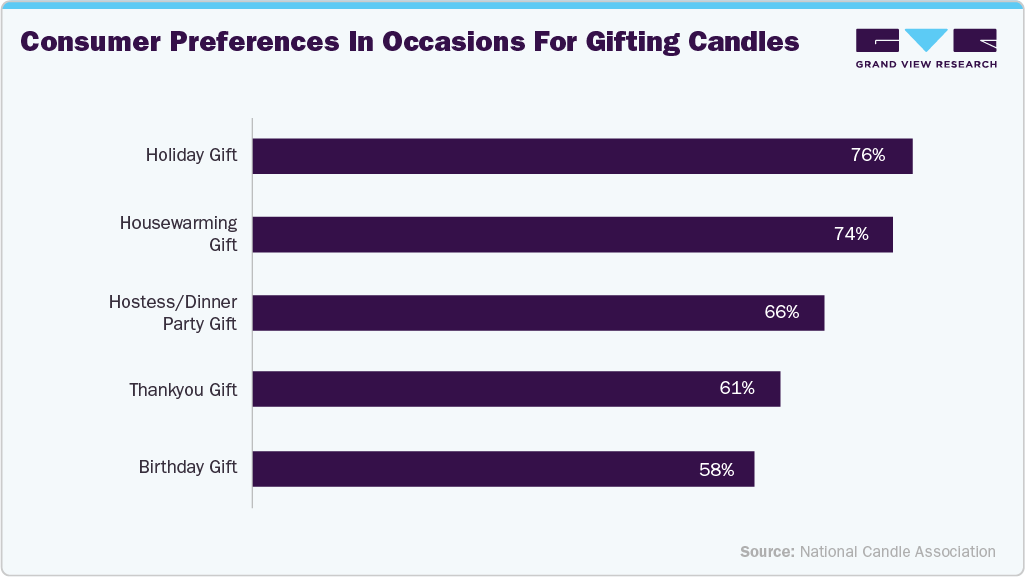
Candles have become a popular gift choice, driving growth in the global scented candle market as consumers recognize their versatility and emotional appeal. Scented candles are thoughtful, gender-neutral gifts that fit any occasion, from holidays and birthdays to promotions and anniversaries. Their ability to complement a range of home décor styles and elevate ambiance makes them an ideal present, even when the giver is unsure of the recipient’s taste in décor.
Furthermore, the mood-enhancing properties of different fragrance profiles add to their allure, as people increasingly value gifts that promote relaxation, productivity, or festivity, making scented candles a go-to option that continues to boost market demand.
Emerging fragrance trends are attracting new consumers to the scented candles market by offering scents that feel modern, fresh, and social media-friendly. Botanical blends, spa-like aromas, and unexpected notes, such as tomato leaf, sea salt, or hemp, strongly appeal to younger, trend-aware buyers who enjoy trying scents that stand out from traditional floral or citrus families. These unique profiles make the category feel innovative rather than routine, encouraging more first-time trials and faster overall adoption. As fragrance becomes the primary point of differentiation, brands position these new scents as premium experiences rather than basic home products. Exotic or unconventional notes not only spark curiosity but also justify higher price points, since consumers perceive them as more exclusive and experiential.
Moreover, the trend towards natural and eco-conscious sourcing has broadened the definition of luxury within the candle market. Emerging brands and mature players alike are promoting plant-based waxes, essential-oil scent systems, and minimalist, reusable packaging that reflect ethical values as well as aesthetic refinement. For instance, a recent article highlights how soy, coconut, and beeswax waxes offer improved fragrance retention and superior burn quality relative to traditional paraffin.
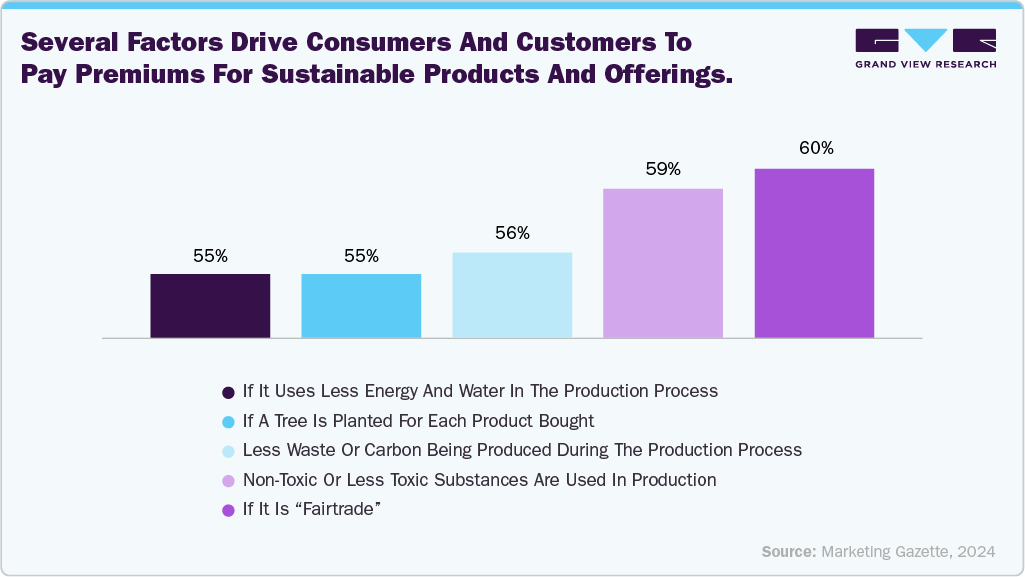
This shift signifies how the market is no longer defined solely by price or prestige, but by authenticity, craftsmanship, and sustainability. Consumers increasingly associate premium quality with clean formulations, ethical sourcing, and sensory sophistication, prompting brands to innovate across both product and packaging. As a result, the market continues to evolve toward a model where sustainability and indulgence coexist, offering consumers a more responsible yet luxurious home fragrance experience.
Brands continue to expand into the scented candle industry as consumers increasingly view their homes as sanctuaries of comfort and well-being. The blending of lifestyle, beauty, and fragrance has encouraged both established and emerging brands to position candles as essential elements of self-care and interior expression. This convergence of wellness and design has opened opportunities for collaborations that merge craftsmanship with sensory luxury. For instance, in September 2025, Tekla introduced its first collection of scented candles, marking its entry into the home fragrance space. The range features three signature scents housed in sculptural ceramic vessels crafted by Irish ceramicist Sara Flynn, reflecting Tekla’s minimalist aesthetic and commitment to timeless design. The launch reinforces the brand’s ethos of calm living and sensory sophistication, aligning perfectly with the growing demand for design-led wellness products.
Product Insights
Container-based scented candles held the largest share in the scented candles industry, accounting for a share of 57.6% in 2024. A growing focus on home decor and ambiance drives the growth of scented candles. Candles are used as aesthetic elements to create a cozy, stylish, and visually appealing atmosphere in living spaces, restaurants, and hospitality settings. Alongside this, the wellness and self-care trend has made scented candles popular for relaxation, stress relief, and mood enhancement. Consumers increasingly view them as part of personal rituals such as meditation, spa-like home experiences, and “me-time” routines.
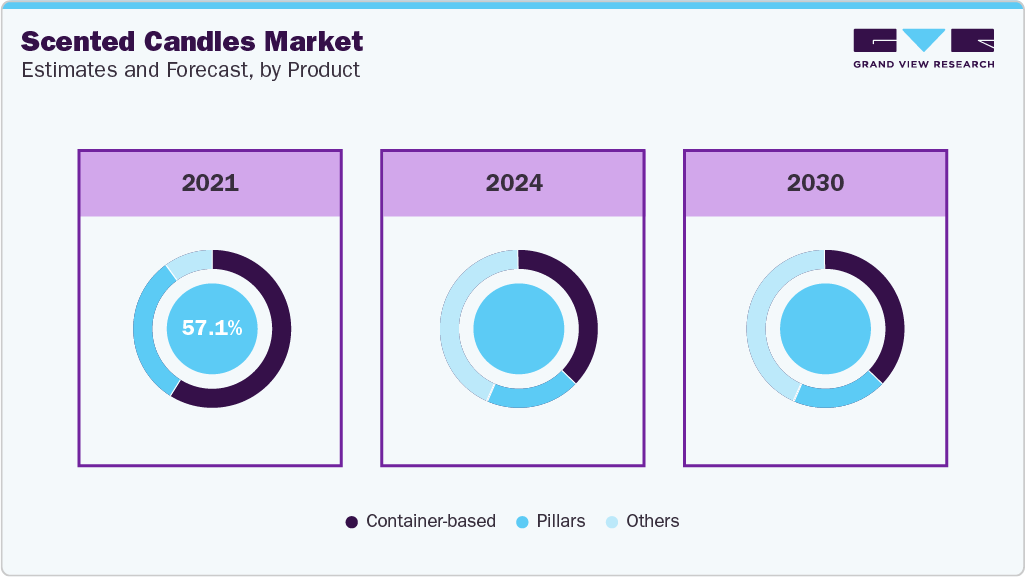
Pillar scented candles are anticipated to witness a CAGR of 4.9% from 2025 to 2033. These candles serve as both a source of fragrance and a decorative element. Their tall, sculptural form allows them to act as stand-alone statement pieces in a room, unlike container candles, which often blend into the background. Modern consumers use pillar candles to create visual accents on coffee tables, dining setups, consoles, and bedroom corners, making them a popular choice in minimalist, contemporary, and art-inspired home aesthetics.
Wax Type Insights
Paraffin wax scented candles held the largest share of around 30.1% in 2024. Paraffin wax is a white, soft, odorless wax derived from petroleum. It is formed as a by-product of the oil refining process, where waxy components are separated and purified.
It is widely used in scented candles because it is affordable, easy to mould, and holds fragrance strongly, allowing scents to diffuse more effectively when the candle burns. Studies on the scented candles industry note that paraffin-based candles remain prominent, even in luxury collections, as the wax offers consistent burning performance and is easily available for large-scale production. In India specifically, cost-sensitivity and the desire for strong fragrance make paraffin the dominant wax choice, especially in gifting and everyday décor candle lines.
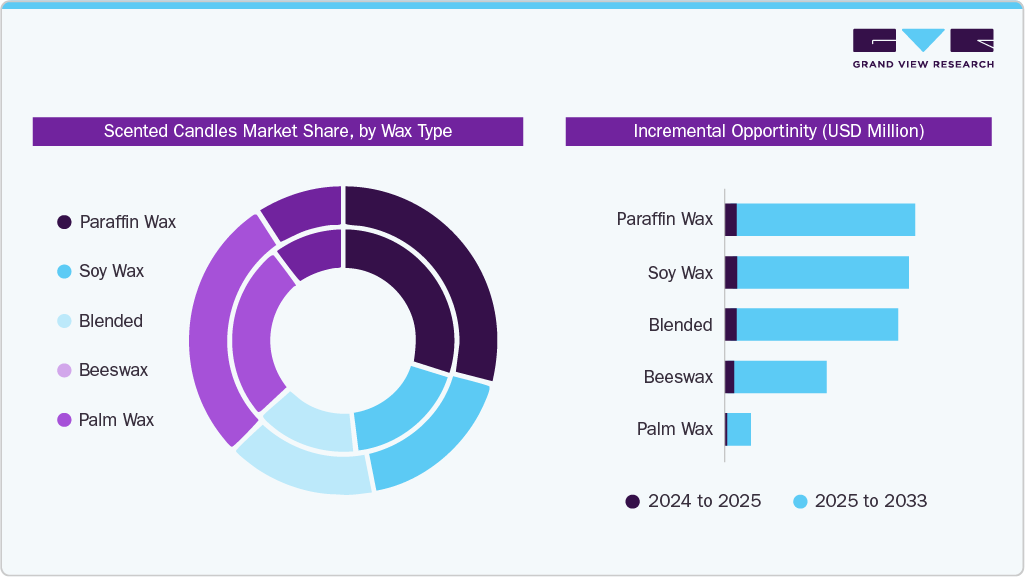
Beeswax scented candles are anticipated to witness a CAGR of 6.1% from 2025 to 2033. These candles are made from natural beeswax produced by honeybees, often blended with essential or fragrance oils to enhance the scent. Beeswax has a naturally sweet, subtle honey-like aroma and burns cleaner and longer compared to paraffin candles. Consumers are increasingly choosing candles made from natural, renewable, and non-toxic materials, which is driving strong demand for beeswax candles. Unlike paraffin candles that are derived from petroleum, beeswax is a biodegradable and minimally processed material that burns cleanly and emits very little soot. This aligns well with the broader shift toward eco-friendly and health-conscious home products. For instance, Bee Hive Candles markets its products as “100% pure beeswax, clean-burning and non-toxic,” appealing to consumers who want a safer and more sustainable alternative for everyday home ambience.
Category Insights
Premium scented candles held the largest share of around 71.6% in 2024. These scented candles are distinguished by their use of high-quality materials and more sophisticated fragrance profiles. These candles often feature waxes such as soy, beeswax, or coconut blends that burn cleaner and longer, paired with layered, nuanced scents crafted using fine fragrance oils or essential oils. The overall sensory experience tends to be richer and more immersive, supported by a strong scent throw that fills larger spaces. Besides, premium candles emphasize aesthetic appeal; their packaging often features elegant glass jars, metal lids, textured labels, and gift-ready boxes, making them suitable for both home décor and gifting. The branding also plays a key role, as these candles are often associated with lifestyle messaging, self-care rituals, and luxury living.
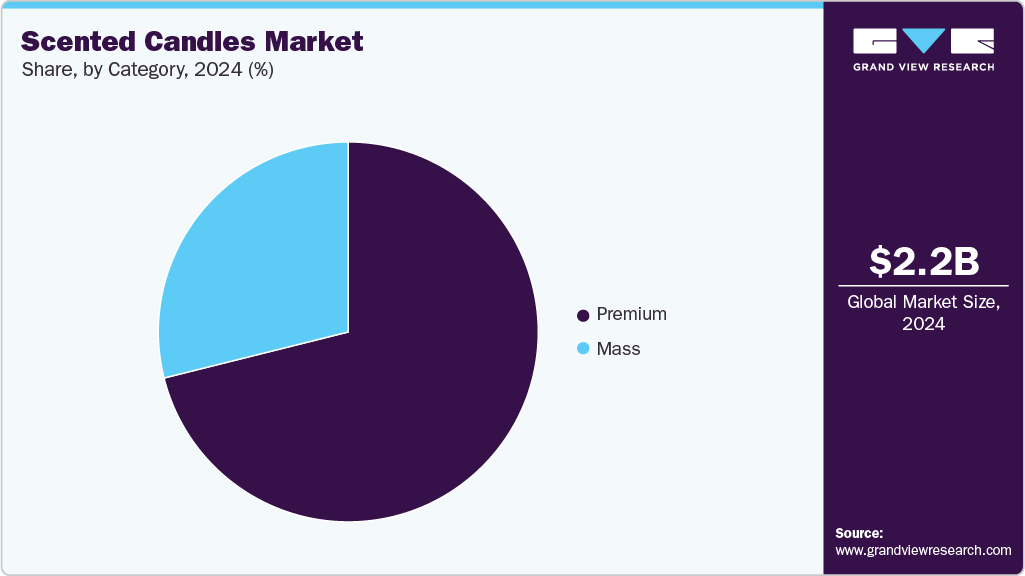
Mass scented candles are anticipated to witness a CAGR of 4.6% from 2025 to 2033. Mass-produced scented candles offer a wide variety of fragrance options to suit different moods, settings, and consumer preferences. These scents often include popular floral notes, such as lavender and rose, as well as fruity options like citrus and berries, and calming herbal fragrances like eucalyptus or sandalwood. Seasonal and festive fragrances, such as vanilla spice during winter or ocean breeze in summer, help brands cater to the changing moods of consumers throughout the year. This diversity in scent profiles ensures that customers can choose candles that match their desired ambiance, whether they want relaxation, freshness, comfort, or celebration. For instance, Glade offers accessible scented candles in everyday fragrances like Fresh Linen, Vanilla, and Lavender, making it easy for consumers to find familiar and comforting scent choices at affordable prices.
Distribution Channel Insights
Sales of scented candles through convenience stores & gift centers account for a share of around 38.1% in 2024. Convenience stores stock small, affordable scented candles, including tea lights, mini jars, and votives. These outlets provide quick access to consumers who need candles for everyday ambiance, festive décor, or immediate household use. Placement of candles near home essentials, air fresheners, or seasonal festival aisles increases visibility and encourages browsing. Because these stores experience high footfall and frequent replenishment, especially during evenings and festive periods, they effectively capture spontaneous purchase behavior and ensure product availability when needed most.
Sales of scented candles through online channels are anticipated to witness a CAGR of 6.1% from 2025 to 2033. Online retail enables candle brands to reach national and even global audiences, bypassing geographical limitations of physical stores. This channel offers a wide range of fragrances, sizes, wax types, and premium collections that may not always be available in offline retail stores. Many brands also use social media marketing, influencer promotions, and visual lifestyle imagery to showcase how candles enhance décor or self-care routines, making online a strong channel for brand building and storytelling. Besides, subscription boxes, seasonal drops, and custom gift sets are more easily managed online.
Regional Insights
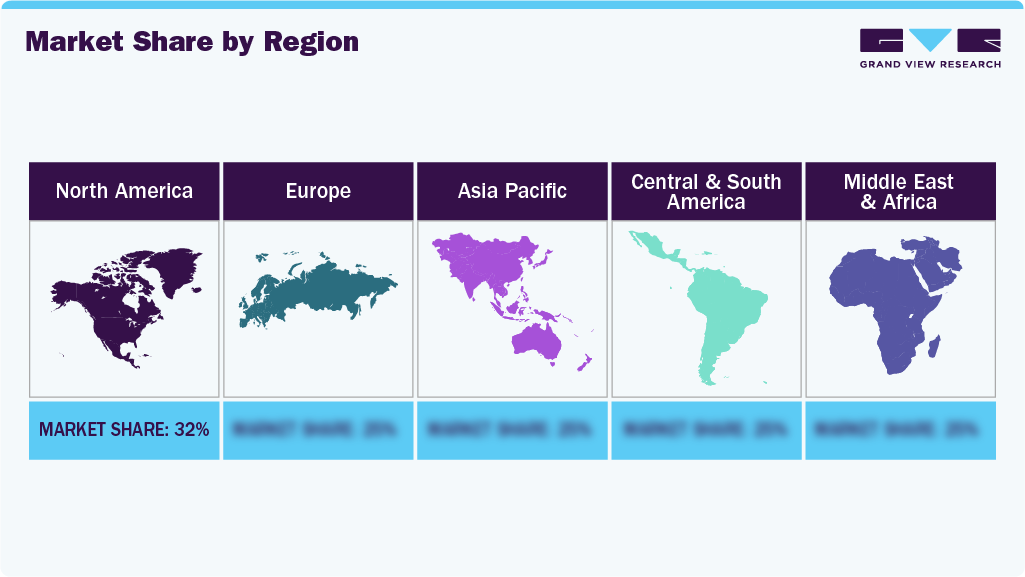
The scented candles industry in North America accounted for a share of around 32.9% in 2024. The market is primarily driven by growing consumer focus on wellness and self-care, with candles increasingly used to create relaxing, spa-like home environments. The rising demand for premium and aesthetically designed candles as gifts or decorative items, coupled with the shift toward sustainable, natural ingredients such as soy and beeswax, has further fueled growth.
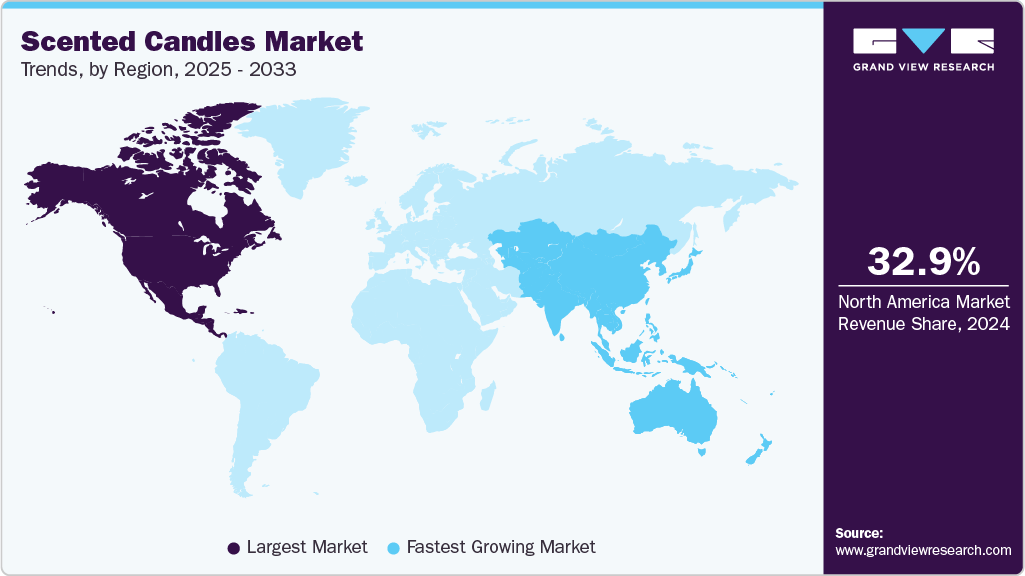
The U.S. scented candles industry is large and diversified, with more than 400 established manufacturers, as well as numerous small, local craft producers contributing to the industry. Leading brands typically offer 1,000–2,000 candle variations across different scents, shapes, colors, and packaging styles, demonstrating the strong value consumers place on choice and personalization. This wide product assortment reflects a broader cultural shift where candles are no longer purchased only for light or occasional decoration.
Europe Scented Candles Market Trends
The scented candles industry in Europe is expected to grow at a CAGR of 5.5% from 2025 to 2033. The European Candle Manufacturers Association estimates that approximately 700 million kilograms of candles are consumed annually in the EU, indicating a robust and mature market. Within this, home-wellness products, such as scented candles, show particularly high engagement, with 59–73% of consumers in 2023 reporting regular use or purchase, highlighting their role in everyday relaxation and ambiance across European households.
The Germany scented candles industry is the largest candle importer in Europe, presenting a significant market opportunity. A 2023 survey shows that 90% of German consumers have previously purchased home-wellness products such as scented candles, and 59% use them regularly. Combined with its sizable domestic demand, role as a key European trade hub, and significant sourcing from developing countries, Germany stands out as an attractive and accessible market for scented candle brands.
Asia Pacific Scented Candles Market Trends
The Asia Pacific scented candles industry accounted for a share of around 20.2% in 2024. Product innovation in the regional market has undergone a quiet transformation. Consumers who once accepted plain paraffin now reach for soy, beeswax, or blended wax candles because they burn cleaner and feel more natural. Fragrance preferences are also expanding, moving beyond familiar vanilla and lavender toward woody, oriental, and region-inspired notes, such as hinoki, jasmine sambac, or green tea. Formats are evolving in tandem with tastes: container candles still lead the market, but decorative pillars, sculptural votives, and designer jars are gaining popularity. Brands such as Bath & Body Works, MUJI, Yankee Candle, and Jo Malone fuel this shift with constant updates in materials, scents, and packaging.
Central & South America Scented Candles Market Trends
The Central & South America scented candles industry is expected to grow at a CAGR of 4.1% from 2025 to 2033. Across major Latin American markets, consumers are placing greater emphasis on creating comfortable and visually appealing living spaces. Scented candles offer both aesthetic value and sensory enhancement, making them an accessible way to elevate the home's ambiance without a major investment. Young professionals and new homeowners, in particular, see candles as versatile décor elements that contribute to a warm, curated atmosphere. For instance, Brazilian home-lifestyle brand Tania Bulhões showcases its scented candles in tropical-inspired collections that pair well with contemporary interior décor, reinforcing the idea of scent as part of a modern home aesthetic.
Middle East & Africa Scented Candles Market Trends
The scented candles industry in the Middle East and Africa is expected to grow at a CAGR of 4.6% from 2025 to 2033. Fragrance holds centuries of cultural significance in the region, so scented candles built around oud, amber, musk, and incense feel instantly familiar and emotionally rich. Consumers seek blends that honor these heritage notes while adding a modern twist, which is why products combining oud with floral, citrus, or gourmand accents perform well. This deep-rooted scent culture also encourages buyers to opt for authentic, artisanal, and premium formats that convey a story about the ingredients and their origin.
Key Scented Candles Company Insights
Companies in the scented candles industry are increasingly investing in innovative materials, designs, and sustainable production methods to enhance the product's durability, aesthetic appeal, and environmental impact. These innovations focus on creating candles that burn longer, produce less soot, and offer more sustainable options for environmentally conscious consumers.
Rising consumer awareness for eco-friendly candles is growing, with consumers increasingly seeking products made from natural, renewable, and recycled materials. This is in response to a broader consumer push toward sustainability and circular design. The popularity of soy wax, beeswax, and palm oil alternatives is also rising, as they are perceived as more sustainable compared to traditional paraffin. As the market continues to align with the eco-conscious movement, brands are focusing on transparent sourcing and environmentally responsible packaging.
Key Scented Candles Companies:
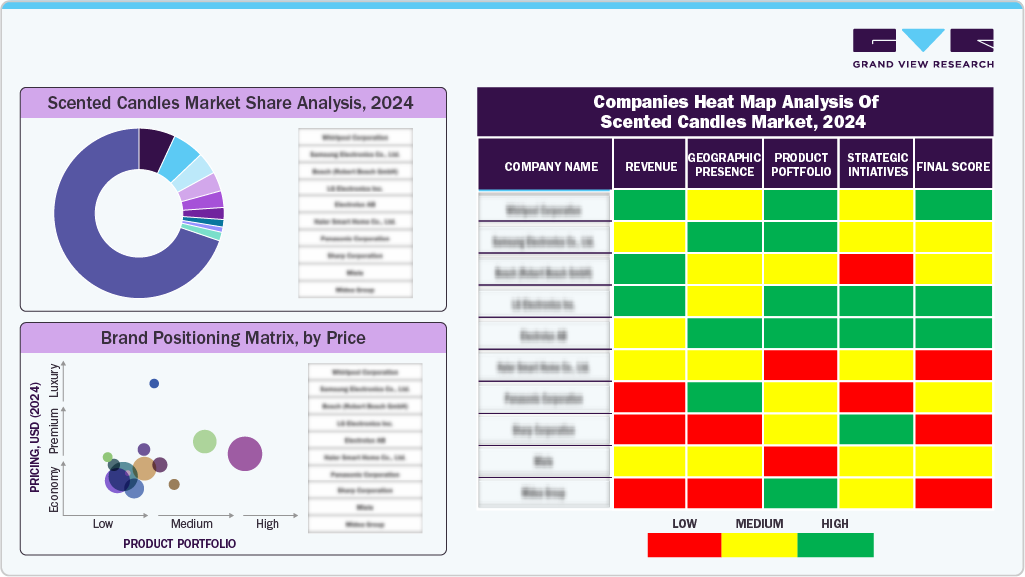
The following are the leading companies in the scented candles market. These companies collectively hold the largest market share and dictate industry trends.
- Village Candle
- Portmeirion Group PLC
- Newell Brands Inc.
- VOLUSPA
- The White Company
- Thymes LLC
- Diptyque Paris
- Lalique Group SA
- DW Home
- NEST New York
Recent Developments
-
In October 2025, Yankee Candle launched the YC Collection, a premium home fragrance line inspired by quiet luxury and modern design. The collection features seven sophisticated scents crafted by world-renowned perfumers, a proprietary dye-free wax blend, and minimalist vessels with gold detailing.
-
In October 2025, Meghan Markle’s lifestyle brand, As Ever, launched its first holiday collection, featuring a sparkling wine, gift sets of jams (now including strawberry), duo honey sets with a new sage honey, mulling kits for hot toddies or mulled wine, and hand-poured candles named after royal family milestones.
-
In January 2025, the Yankee Candle Company launched the "Hello, Italy!" Collection, a new spring line inspired by Italy's Mediterranean beauty. It features five fragrances capturing the essence of Italian destinations: Capri Glow, Azure Sky, Lemon Gelato, Olive & Cypress, and Pistachio Latte. The collection combines earthy, citrusy, and sweet notes to evoke Italian charm and is available in multiple sizes and formats for a limited time.
-
In October 2024, Liljeholmens Stearinfabrik and ASP-HOLMBLAD launched the world's first 100% plant-based candles made from shea stearin, sourced sustainably from wild shea trees in Africa. The Shea candles are produced in Portugal, certified by leading eco-labels, and feature natural patterns and elegant colors. Available in two sizes, these candles combine environmental responsibility with sophisticated design, and are sold in select stores and online in Sweden, Denmark, and Germany starting fall 2024.
Scented Candles Market Report Scope
Report Attribute
Details
Market size value in 2025
USD 2.32 billion
Revenue Forecast in 2033
USD 3.47 billion
Growth Rate
CAGR of 5.2% from 2025 to 2033
Actuals
2021 - 2024
Forecast period
2025 - 2033
Quantitative units
Revenue in USD million/billion and CAGR from 2025 to 2033
Report coverage
Revenue forecast, company ranking, competitive landscape, growth factors, and trends
Segments covered
Product, wax type, category, distribution channel, region
Regional scope
North America; Europe; Asia Pacific; Central & South America; Middle East & Africa
Country scope
U.S.; Canada; Mexico; Germany; UK; France; Italy; Spain; China; Japan; India; Australia & New Zealand; South Korea; Brazil; South Africa
Key companies profiled
Village Candle; Portmeirion Group PLC; Newell Brands Inc.; VOLUSPA; The White Company; Thymes LLC; Diptyque Paris; Lalique Group SA; DW Home; NEST New YorkRetry
Customization scope
Free report customization (equivalent up to 8 analysts’ working days) with purchase. Addition or alteration to country, regional & segment scope.
Pricing and purchase options
Avail customized purchase options to meet your exact research needs. Explore purchase options
Global Scented Candles Market Report Segmentation
This report forecasts revenue growth at the global, regional, and country levels and provides an analysis of the latest trends and opportunities in each sub-segment from 2021 to 2033. For this study, Grand View Research has segmented the global scented candles market report by product, wax type, category, distribution channel, and region.
-
Product Outlook (Revenue, USD Million, 2021 - 2033)
-
Container-based
-
Pillars
-
Others
-
-
Wax Type Outlook (Revenue, USD Million, 2021 - 2033)
-
Paraffin Wax
-
Soy Wax
-
Blended
-
Beeswax
-
Palm Wax
-
-
Category Outlook (Revenue, USD Million, 2021 - 2033)
-
Mass
-
Premium
-
-
Distribution Channel Outlook (Revenue, USD Million, 2021 - 2033)
-
Hypermarkets & Supermarkets
-
Convenience Stores & Gift Centers
-
Online
-
Others
-
-
Regional Outlook (Revenue, USD Million, 2021 - 2033)
-
North America
-
U.S.
-
Canada
-
Mexico
-
-
Europe
-
Germany
-
UK
-
France
-
Italy
-
Spain
-
-
Asia Pacific
-
China
-
Japan
-
India
-
Australia & New Zealand
-
South Korea
-
-
Central & South America
-
Brazil
-
-
Middle East and Africa (MEA)
-
South Africa
-
-
Frequently Asked Questions About This Report
b. The global scented candles market size was estimated at USD 2.24 billion in 2024 and is expected to reach USD 2.32 billion in 2025.
b. The global scented candles market is expected to grow at a compound annual growth rate of 5.2% from 2025 to 2030 to reach USD 3.47 billion by 2033.
b. Paraffin wax scented candles held the largest share, accounting for a share of around 30.1% in 2024. Paraffin wax is a white, soft, odorless wax derived from petroleum. It is formed as a by-product of the oil refining process, where waxy components are separated and purified.
b. Some key players operating in the scented candles market include Village Candle, Portmeirion Group PLC, Newell Brands Inc., VOLUSPA, The White Company, and others
b. Key factors that are driving the market growth include increase in gifting culture and premiumization and natural ingredient preference


Share this report with your colleague or friend.
Need a Tailored Report?
Customize this report to your needs — add regions, segments, or data points, with 20% free customization.

ISO 9001:2015 & 27001:2022 Certified
We are GDPR and CCPA compliant! Your transaction & personal information is safe and secure. For more details, please read our privacy policy.
Trusted market insights - try a free sample
See how our reports are structured and why industry leaders rely on Grand View Research. Get a free sample or ask us to tailor this report to your needs.